
Ledger.com/Start® — set up your Ledger hardware wallet
Ledger.com/start introduces essential wallet setup concepts, covering Ledger device initialization, Ledger Live access, account organization, recovery information protection, and secure crypto practices.
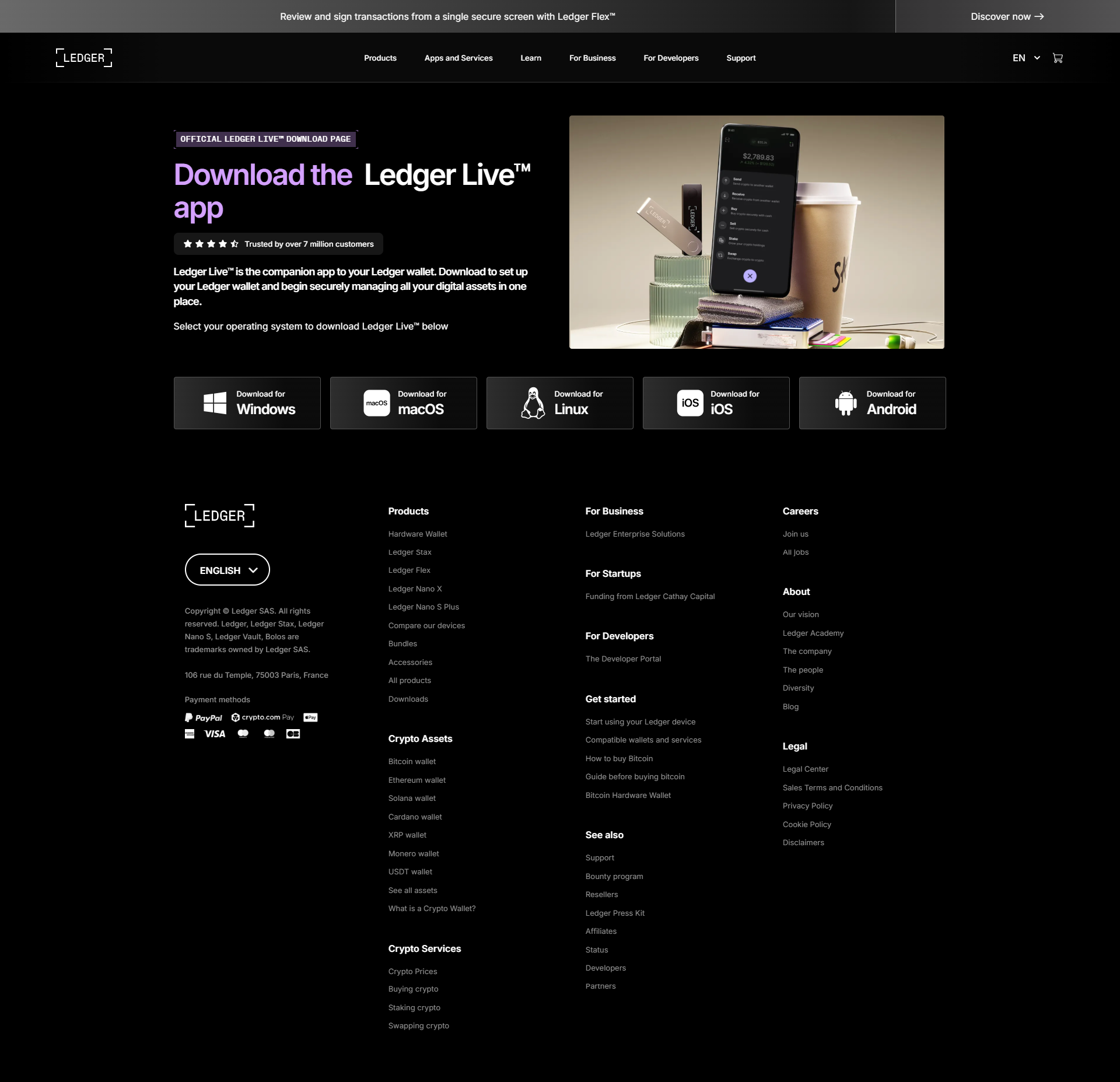
Ledger.com/start: Guide to Ledger Wallet and Ledger Live Setup
Setting up a Ledger wallet is an important first step for anyone who wants to manage supported digital assets through a hardware wallet. The Ledger.com/start setup process helps users prepare their Ledger device, connect it with the appropriate software, and establish the security settings needed for everyday wallet management.
A Ledger hardware wallet works together with Ledger's companion software to provide a practical way to manage supported crypto accounts. After completing the initial setup, users can use the Ledger wallet app to review accounts, manage supported assets, and interact with blockchain networks.
What Is Ledger.com/start?
Ledger.com/start is the starting point for Ledger hardware wallet onboarding. It provides setup guidance for preparing a compatible Ledger device and connecting it with Ledger software.
The setup process generally includes installing the appropriate wallet application, connecting the hardware device, configuring security features, creating a recovery backup, and completing the initial wallet configuration.
Using the correct setup process is important because a hardware wallet is designed to protect sensitive wallet operations through the physical device.
Getting Your Ledger Wallet Ready
Before beginning, keep your Ledger device and its original accessories available. Use a trusted computer or compatible mobile device and make sure the software you install comes from an official Ledger source.
Avoid downloading wallet applications from random websites or following setup instructions provided by unknown individuals. When dealing with cryptocurrency, verifying the source of software is an important security habit.
Install the Ledger Wallet App
The Ledger wallet app provides a software interface for interacting with supported Ledger hardware wallets. It can be used to view accounts, manage supported assets, review activity, and access available wallet features.
Depending on the Ledger product and software environment, available features can vary. After installing the appropriate Ledger software, connect your hardware wallet and follow the instructions displayed by the application and the physical device.
Connect and Verify Your Device
Connect the Ledger wallet to your computer or compatible device using the appropriate connection method. The software should recognize the hardware wallet and guide you through the next steps.
Pay attention to instructions displayed directly on the Ledger device. If unexpected software or a website asks you to provide sensitive wallet information, stop the process and verify that you are using an authentic Ledger service.
Complete the Initial Wallet Setup
A new Ledger wallet requires initialization before it can be used for regular account management.
During this stage, the device may guide you through creating a new wallet, establishing a PIN, and generating recovery information. Follow the instructions displayed by the hardware wallet carefully.
Do not allow another person to control the setup process for you. The wallet should be initialized in a secure environment where you can keep your security information private.
Protect Your Recovery Phrase
The recovery phrase is one of the most important security elements associated with a self-custody wallet.
When your Ledger device provides recovery information, record it exactly as instructed and keep it in a secure offline location. Do not share it with another person.
Never type your recovery phrase into a website, online form, email, chat, or untrusted application. Someone who obtains the recovery information may be able to gain access to the associated wallet.
Ledger will not need your complete recovery phrase simply to provide routine software assistance.
Set and Protect Your PIN
Your Ledger device also uses a PIN to protect access to the hardware wallet. Follow the instructions shown on the device when creating the PIN.
Keep the PIN private and avoid sharing it with anyone. Physical security matters as well, so store the hardware wallet somewhere safe when it is not being used.
Understanding Ledger Live Login
After installing and configuring the Ledger software, users may encounter the term “Ledger Live login” when searching for ways to access their wallet management environment.
It is important to distinguish between accessing the Ledger software and unlocking the physical Ledger device. Your hardware wallet uses its own device-level security, while the companion application provides access to software features.
Always make sure you are using the genuine Ledger application or an official Ledger web destination before entering any credentials or connecting your hardware wallet.
Managing Your Ledger Wallet
Once setup is complete, the Ledger wallet can be used with supported software to manage cryptocurrency accounts.
Depending on the device and supported network, users may be able to:
• View supported cryptocurrency balances
• Add or manage accounts
• Receive supported digital assets
• Prepare cryptocurrency transactions
• Review transaction history
• Install supported blockchain applications
• Manage certain wallet and device settings
Available features can differ depending on the Ledger model, software version, operating system, and cryptocurrency being used.
Review Transactions Before Approval
A Ledger hardware wallet is designed so that important transaction information can be reviewed on the physical device before approval.
When preparing a transaction, carefully compare the destination address, amount, network, and other relevant details. If something does not match your intended transaction, do not approve it.
Taking a few extra moments to verify transaction details can help reduce mistakes when transferring digital assets.
Ledger Wallet Security Tips
Good security practices remain important after the initial Ledger.com/start setup.
Keep your recovery phrase offline and private. Never share your PIN or recovery information with someone claiming to be a support representative.
Be cautious with unsolicited emails, social-media messages, pop-ups, and advertisements that claim your Ledger wallet requires an urgent verification or security update.
Instead of clicking an unfamiliar link, navigate to the official Ledger website directly and locate the appropriate support or setup information.
Keep Your Ledger Software Updated
Wallet applications may receive software updates that introduce improvements, compatibility changes, or security fixes. When an update is available, obtain it through an official Ledger source.
Do not install modified versions of wallet applications or software supplied through unofficial download pages.
Using trusted software is especially important because the wallet application interacts with your hardware device and provides access to your cryptocurrency accounts.
Ledger.com/start for Beginners
For someone new to hardware wallets, the setup process can seem complicated at first. Breaking it into individual stages makes it easier to follow.
Begin with Ledger.com/start, prepare the hardware device, install the appropriate Ledger wallet app, connect the device, complete initialization, securely record the recovery information, and configure the device PIN.
Once the wallet is ready, become familiar with the Ledger software before making larger transactions. Learn where account information is displayed and how transaction confirmation works on the physical device.
Common Ledger Setup Mistakes
Several simple mistakes can create unnecessary security risks.
Do not share your recovery phrase with another person. Do not enter it into a website because a pop-up or message claims that verification is required. Do not download wallet software from unknown sources.
Another mistake is approving transactions without checking the information shown on the hardware wallet. Always review important transaction details before confirming them.
Final Thoughts
Ledger.com/start provides a starting point for setting up a Ledger wallet and preparing the device for cryptocurrency management. The process connects the hardware wallet with the appropriate Ledger wallet app and introduces the security steps required for self-custody.
After setup, users can explore supported wallet features and learn how Ledger software works with the physical device. Searches for terms such as Ledger Live login generally relate to accessing the software environment, but users should always verify that they are interacting with an authentic Ledger application or website.
Most importantly, keep your recovery phrase and PIN private, use trusted Ledger software, and review transactions carefully before approving them on the hardware wallet.
Updated about 8 hours ago